

Let’s be honest. The fear of losing your benefits because you tried to earn a little extra money is real, and it keeps a lot of people stuck.
I’ve watched someone I care about navigate chronic health problems for years, and I know how the system can feel like a trap. You rely on your benefits to survive. At the same time, you still need a bit more breathing room for normal life things. An unexpected car repair. A birthday gift for your kid. A bill that hits at the wrong time. These are not luxuries. These are real daily needs.
Here is the part most people never hear. You can earn extra money while keeping your disability benefits. People do this successfully every single day. You just need clear information, simple tracking, and a smart starting point.
Let’s walk through this together.

Quick Guide to the Terms
Before we go any deeper, here are the full names of the programs you will see throughout this guide. Understanding these makes everything else easier.
SSDI (Social Security Disability Insurance) is a disability insurance program you qualify for through your work history. If you paid Social Security taxes through your jobs, you earned credits that make you eligible for SSDI. Your financial need does not determine eligibility. Your work history and disability status do.
SSI (Supplemental Security Income) is a needs-based disability benefit for people with limited income and resources. It does not depend on your work history. SSI looks at your financial situation each month, including what you earn and what you have in savings.
SSA (Social Security Administration) is the federal agency that manages and oversees both SSDI and SSI. They handle applications, benefit rules, work activity reviews, medical reviews, and income reporting.
With these basics in place, the rest of the information will feel much clearer.
Understanding How Disability Benefits Treat Side Income

This is where confusion usually begins. SSDI and SSI follow different rules, and knowing which one you receive is crucial.
SSI
SSI looks at both income and resources. Since it is needs-based, SSA checks how much money you bring in and how much you have saved. When you earn money through a side hustle, SSI reduces your benefit using a formula. The good news is this: they do not take a dollar for every dollar you earn. They allow exclusions that reduce how much of your earnings count.
SSDI
SSDI focuses on your work activity. Specifically, whether you are performing what SSA calls Substantial Gainful Activity. SSDI is not tied to your financial need. You earned these benefits through your work history and Social Security contributions. SSA mainly wants to know if you are working at a level that shows you may no longer be disabled. The monthly earnings limit is the key number.
What counts as income
Almost anything you earn counts. Freelance tasks. Digital product sales. Gig apps. User testing. Consulting. Virtual assistant tasks. Small business income. If money comes to you because you did something, SSA expects that income to be reported.
Take a breath here. It sounds like a lot, but it is manageable.
Know the Important Earnings Limits Before You Start
Let’s break down the numbers clearly.
SSDI
For 2025, the Substantial Gainful Activity limit is 1,620 dollars per month for most people. If you earn more than this amount on a regular basis, SSA may view that as sustained work activity. Going over the limit once does not end your benefits, but consistent earnings above it may trigger a review.
Always double check the current year’s SGA amount on the SSA website. These numbers usually change yearly.
SSI
SSI uses a different style of calculation.
• You get a 20 dollar general income exclusion.
• You get a 65 dollar earned income exclusion.
• After that, your SSI payment is reduced by half of the remaining income.
They also check your resources. If you save more than 2,000 dollars as an individual, it may affect your eligibility.
The reason these numbers matter is simple. Tracking your income from the start protects your benefits.
Choose Side Hustles That Fit Your Health and the Rules
Here is where things become more encouraging. Not every side hustle is a good match for disability or chronic illness, but many are.
Low impact and flexible

Digital product creation works well. Once you make a printable, a guide, or a template, it can sell over and over with no extra effort.
User testing lets you complete short tasks from home.
Freelance writing works if you accept projects you can complete on your own timeline.
Online tutoring lets you choose your hours.
Virtual assistant work is in high demand and often very flexible.
Flare friendly
If your condition changes from week to week, choose work that does not require daily consistency.
Asynchronous tasks.
Project-based work.
Printables or templates that earn passively.

Easy to track
Flat-rate projects make reporting simple.
Weekly retainer tasks help you predict income.
Digital platforms like Gumroad and Payhip generate monthly earnings reports that help with SSA tracking.
Gig work like ridesharing is possible, but you must track mileage, tips, gas, and actual profit. It is much more complex.
How to Track Income Without Making Yourself Overwhelmed
Tracking income is simpler than you may expect.
You do not need expensive tools. A notebook, a Google Sheet, or a computer folder is enough. Write down every time money comes in. Keep screenshots and receipts. Save PayPal emails and platform reports. Consistency matters more than the method.
Know the difference between gross income and net income. SSA usually looks at net income for self-employment, but you should track both.
Here is a simple example:
January 15: Freelance article, 150 dollars
January 22: User testing, 75 dollars
January 30: Printable planner sales, 43 dollars
Total income for January: 268 dollars
Simple notes can save you stress later.
When You Need to Report Earnings

Reporting feels intimidating, so let’s keep it easy.
SSDI
Report your work activity as soon as you begin earning, even if your income is below the Substantial Gainful Activity limit. You can report through your online SSA account or by phone. Reporting protects you from overpayment issues.
SSI
Report your income by the tenth of the month after you earn it. If you earn 200 dollars in January, report it by February tenth. SSI adjusts benefits monthly based on your income.
Reporting does not automatically stop your benefits. It gives SSA accurate information so they can make correct adjustments without surprises.
How to Start Slow and Stay Safe
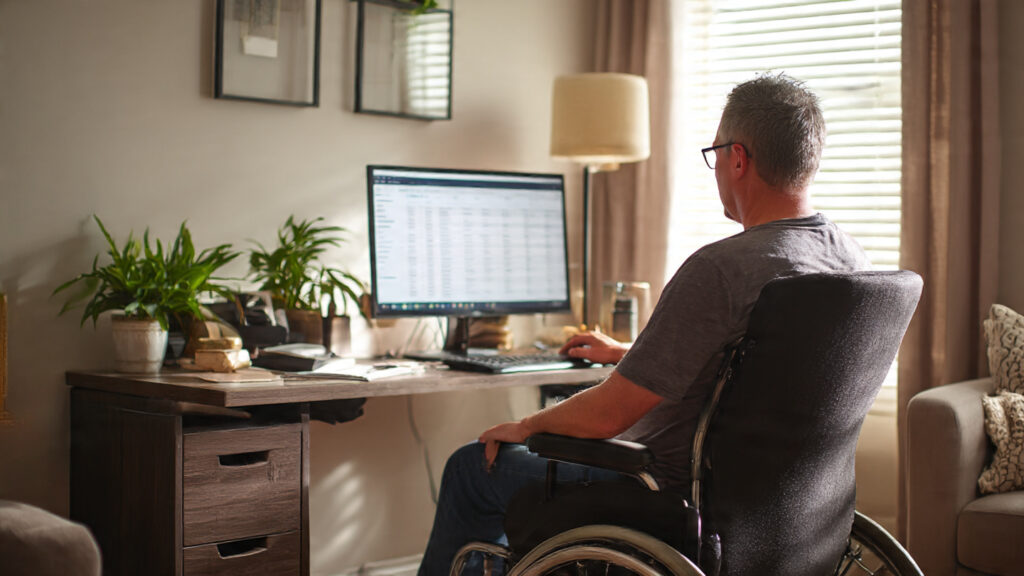
Here is the safest way to begin. Start very small.
Aim for 50 to 100 dollars in your first month. This lets you test the reporting process, check your energy, and understand how tasks affect you.
Choose predictable work. Avoid variable earnings until you feel comfortable.
Listen to your body. Rest must be part of your plan from day one. A side hustle that harms your health is not worth continuing.
Side Hustles to Avoid
Some side hustles create more problems than they solve.
MLMs usually lead to stress, unpredictable income, and pressure to recruit.
Physically demanding gigs can trigger flares or injuries.
Jobs with fixed schedules remove the flexibility you need.
Phone-based work is difficult if you struggle with brain fog or speech changes.
Income that spikes dramatically is harder to report safely.
Choosing the wrong side hustle can overwhelm you. Choose one that fits your health and your benefits.
When to Ask for Help
You do not have to navigate this alone. Free help is available.
Work Incentives Planning and Assistance programs can explain your exact earning limits based on your situation.
Protection and Advocacy organizations offer free information and support.
Ticket to Work programs provide layers of protection if you want to try working.
Local disability nonprofits often have benefits experts who understand SSA rules.
Most people do not need to hire a lawyer just to ask questions. Start with the free resources first.
You Do Not Have to Choose Between Security and Breathing Room
Here is the truth I want you to hold on to. You can earn extra money and keep your disability benefits. You can build a small financial cushion without risking everything. You can start small, track your income, report clearly, and choose work that fits your body and your life.
This is not about speed. It is about small, steady steps that build confidence.
Someone I know started by selling five printable shopping lists on Etsy for two dollars each. Ten dollars total. She reported it, learned how the process works, and slowly built from there. Today she earns four to five hundred dollars each month through digital products and maintains her benefits. Her SSI adjusts, but she brings home more overall. Most importantly, she breathes easier.
That breathing room changes everything. Financial pressure affects your health, your sleep, your relationships, and your hope for the future.
You deserve better than constant stress. You deserve space to breathe.
Pick one small step this week. Research a side hustle that fits your life. Set up a simple income tracker. Ask a benefits counselor a question. One step is enough to start.
You are capable of this. Each step you take opens the door to more freedom.
