

You wake up and the motivation is there. The ideas are there. The need for income is definitely there.
But your body says no. Or your energy crashed before noon. Or the chronic pain flared up again and sitting at a desk for more than 20 minutes sounds impossible.
So you scroll through side hustle advice that assumes everyone has unlimited energy, perfect health, and the ability to “just push through.” As if willpower could override a nervous system that won’t cooperate or a body that needs rest more than it needs productivity.
Here’s what those articles miss: you don’t have to match someone else’s pace to succeed. You don’t have to force your way through pain or exhaustion to earn money. And you definitely don’t have to feel guilty for needing work that respects your actual capacity.
You just need a side hustle that fits your energy, your limits, and your reality. Not someone else’s highlight reel.
I’m writing this because I’ve watched people I care about navigate chronic illness and disability while everyone around them kept saying “just try harder.” My mom juggled health issues and side jobs for years, always hustling but never quite getting ahead because the work didn’t fit her capacity. She needed flexibility, not another demand on energy she didn’t have.
This isn’t theoretical advice. This is what actually works when your body or mind won’t cooperate with traditional hustle culture.
Understanding Your Energy Economy
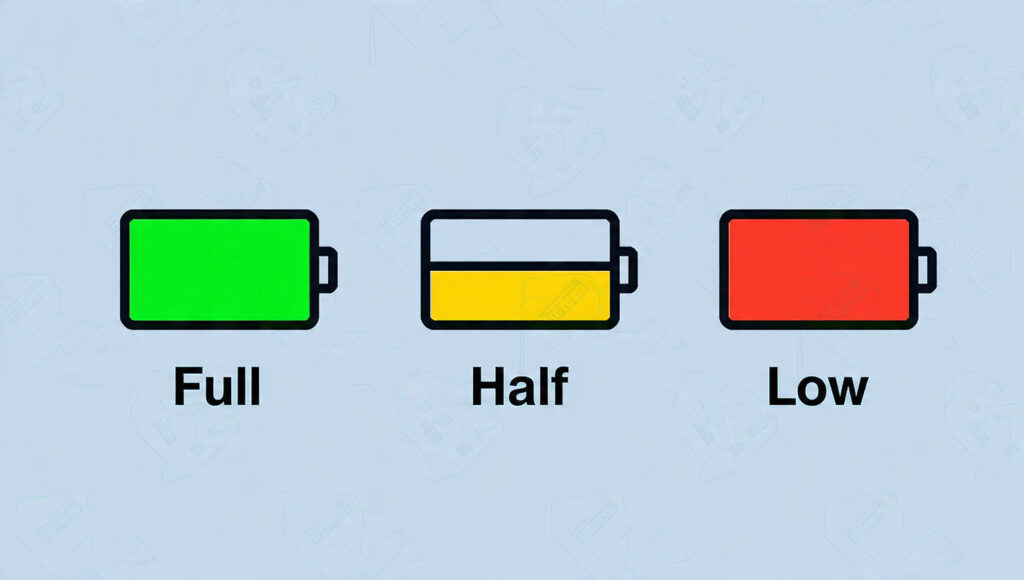
Think of energy like money. You have a limited budget each day, and once it’s spent, it’s gone. Some days you wake up with $100 worth of energy. Other days you’re running on $20. And some days? You’re already in the red before you even start.
Traditional advice tells you to “invest” your energy wisely, as if you can just earn more by trying harder. But that’s not how chronic illness, disability, or mental health conditions work. You can’t hustle your way into more spoons. You can’t willpower your way past a migraine. And you can’t productivity-hack your way around genuine physical limitations.
What you can do is budget what you have.
Identify your high-energy hours. For some people, that’s mornings. For others, it’s late at night. Some days it’s a random two-hour window in the afternoon. Track when your focus and stamina peak, even if it’s inconsistent.
Know your recovery times. When does your body or mind need rest? After medical appointments? Following social interaction? During certain times of the month or year? These aren’t optional. They’re non-negotiable parts of your schedule.
Map your non-negotiables. Medical routines, therapy appointments, caregiving responsibilities, medication schedules. These take priority. Your side hustle fits around them, not the other way around.
Some people use simple energy logs. A notebook where you track how you felt each hour and what you could accomplish. Others use apps like Notion or basic spreadsheets. The tool doesn’t matter. The awareness does.
When you plan your side hustle around your energy patterns instead of fighting them, you stop burning out before you even begin.
Comfort Isn’t Weakness, It’s Strategy

Let’s clear something up right now. Needing comfort isn’t laziness. It’s not lack of ambition. It’s not you being “too sensitive” or “making excuses.”
Comfort is what makes sustained work possible when your body has limits.
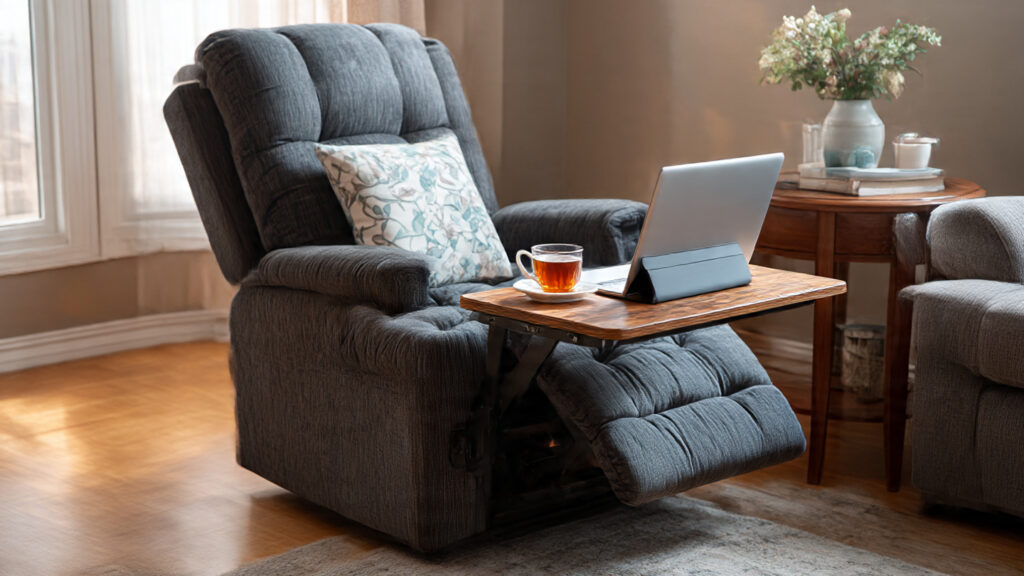
If you can’t sit in a regular chair for long periods, a lap desk or adjustable setup isn’t indulgent. It’s necessary. If typing hurts your hands, voice-to-text software isn’t cheating. It’s smart. If bright screens trigger migraines, using accessibility tools and screen filters isn’t optional. It’s how you get work done.
Ergonomic setups for real bodies:
Lap desks that let you work from bed or a recliner when sitting upright isn’t an option. Adjustable standing desks or seat cushions that reduce pain. External keyboards and mice positioned to minimize strain. Whatever your body needs to function without fighting you.
Accessibility tools that actually help:
Voice-to-text software like Google Docs Voice Typing or Otter.ai for when typing is too much. Screen readers like NVDA or magnifiers like ZoomText for vision limitations. Task automation tools like Zapier that do the repetitive work when your energy can’t.
These aren’t accommodations. They’re tools that level the playing field so your work can compete with anyone’s, regardless of what your body can or can’t do.
Comfort reduces fatigue. It prevents crashes. It lets you show up tomorrow instead of spending three days recovering from pushing too hard today.
That’s not indulgence. That’s sustainable business strategy.
Matching Side Hustles to Your Actual Capacity
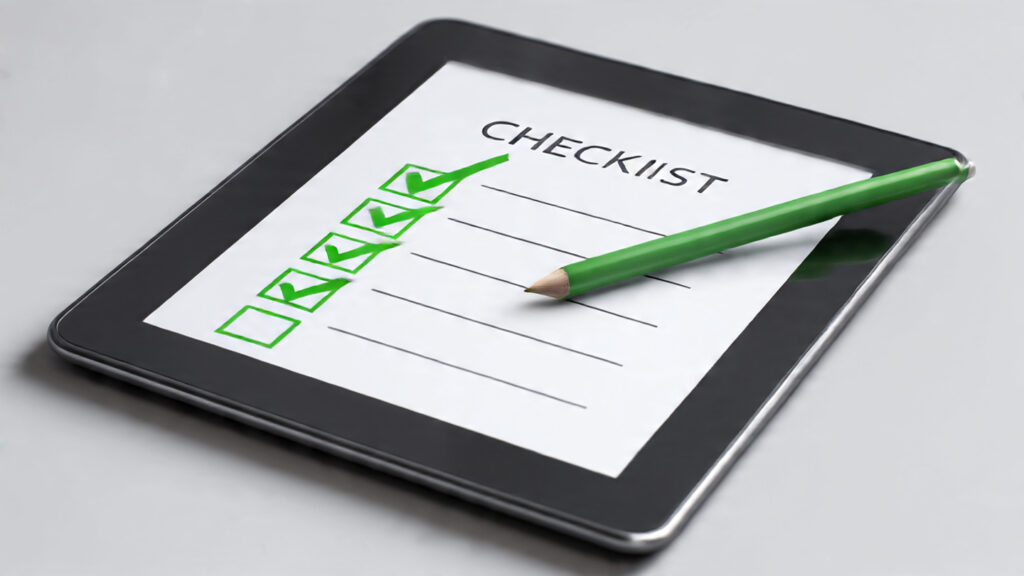
Here’s a simple framework that works when energy is limited and unpredictable.
Step 1: Define Your Capacity Zone
Be honest about what your good days and bad days look like.
High-capacity tasks need focus, creativity, or sustained attention. Writing. Design work. Strategy. Problem-solving. These are for days when you have mental clarity and physical comfort.
Low-capacity tasks need less brainpower and can handle interruptions. Scheduling posts. Organizing files. Responding to simple emails. Data entry. These are for days when you’re functional but not firing on all cylinders.
The goal is having work available for both types of days so you’re never stuck with nothing you can do.
Step 2: Choose Flexible, Non-Real-Time Work
This is critical. If the work requires you to be “on” at specific times or respond immediately, it’s going to conflict with unpredictable energy or health crashes.
I know someone with fibromyalgia who tried freelance graphic design with tight deadlines. She’d commit to a project on a good day, then have a flare-up and miss the deadline, lose the client, and feel like a failure. She switched to selling design templates on Creative Market instead. Same skills, different model. Now she creates when she can, the templates sell whether she’s working or in bed, and there’s no guilt about letting anyone down.
Methods that work well with variable capacity:
Freelance writing or editing where you set your own deadlines and work during your good hours.
Selling digital products or printables that earn passively once created. You make them when you can, they sell whether you’re working or resting.
Paid online research studies that are scheduled in advance so you can plan around good days.
Affiliate marketing through email where you write when you have energy and it sends automatically.
Transcription work with flexible deadlines where you can work in short bursts.
Subscription-based digital resources you create gradually and deliver through automation.
The pattern? All of these let you work when your body cooperates and rest when it doesn’t, without losing income or letting people down.
Step 3: Create Energy Pairings
Match your work to your capacity in real time.
High-focus day? Create content. Write articles. Design products. Do the heavy lifting that requires your best brain.
Low-energy day? Schedule what you already made. Organize files. Set up automation. Update one listing. Small maintenance tasks that keep things moving without draining you.
No-capacity day? Rest. Let your automated systems run. Trust that the work you did on good days is still earning. Recovery is part of the process, not a failure.
The Power of Low-Fatigue Systems
The best side hustles for limited energy are ones that don’t require constant physical or mental output.
Digital products are the gold standard here. Create a template, guide, printable, or resource once. Sell it hundreds of times. You put in focused effort when you have capacity, then it earns while you’re recovering.
One person with chronic fatigue created a set of meal planning templates during a good week. Listed them on Etsy for $5 each. Six months later, those templates have sold 300+ times with zero additional work beyond listing them. That’s $1,500 for one week of effort, spread out across months of passive income.
Email-based services where all communication happens on your schedule, not in real-time. No phone calls. No video meetings unless you choose them. Everything happens through written messages you can respond to when you have energy.
User-generated content or digital art where you create during bursts of creative energy, upload to stock sites or platforms, and earn each time someone licenses your work. The creating part is active. The earning part is passive.
The mindset shift is this: if it requires your constant presence and immediate responses, it’s not sustainable for limited energy. Build systems that work even when you can’t.
Here’s where the right tools make the difference between possible and impossible.
Tools That Make Everything Easier

You don’t need to struggle with every task manually when tools can handle the heavy lifting. And before you worry about cost, most of these have free versions or trials. Technology accessibility shouldn’t require a big budget.
For voice typing and reducing hand strain: Google Docs Voice Typing (free), Otter.ai (free tier available), Dragon NaturallySpeaking (premium but powerful)
For scheduling and automation: Systeme.io (free plan available), Zapier (free tier for basic automation), Buffer or Later (free options for social scheduling)
For time pacing and energy management: Pomofocus (free Pomodoro timer), Timeular (time tracking), Forest (focus app with breaks built in)
For design without complexity: Canva (robust free version), Remove.bg (free tier), Pixlr (free photo editing)
For writing and editing: Grammarly (free version catches most errors), Hemingway (free web version), Notion (free for personal use)
Test one new tool per week instead of trying to adopt everything at once. See what actually helps your specific situation. Not every tool works for every person or condition.
The goal is reducing friction between your idea and the finished work. Tools that make tasks easier aren’t crutches. They’re force multipliers.
Building Consistency Without Destroying Yourself
Consistency doesn’t mean showing up every single day at the same time with the same output. That’s not realistic for variable health or energy.
Real consistency is showing up regularly in whatever way your body allows.
Batching tasks means doing similar work all at once during good energy. Write three articles in one focused session instead of one per day. Create a month of social posts when you’re feeling creative. Build up a buffer for the days when you can’t.
Using templates means you never start from scratch. Email templates for common responses. Content templates for posts. Product templates for new listings. Templates turn 2-hour tasks into 20-minute tasks.
Repurposing content stretches your energy further. One long article becomes five social posts, two emails, and a short video. You created once, used it five times.
Rest is part of the process, not separate from it. Your body needs recovery to function tomorrow. Pushing through today and crashing for three days isn’t productive. It’s counterproductive.
Micro goals keep momentum without overwhelming you. Twenty minutes of work. One email sent. One product uploaded. Small wins that build on each other are more sustainable than grand plans that require energy you don’t have.
I know someone who earns $400-600 per month working an average of 5-8 hours per week because they built systems during good days and let them run during bad ones. They don’t work every day. They don’t work the same hours. But the income keeps coming because the systems don’t need them to be “on” constantly.
When Your Side Hustle No Longer Fits
Your capacity changes. Health conditions fluctuate. What worked six months ago might not work now. That’s not failure. That’s life with a body that has limits.
Signs it’s time to adjust:
You’re dreading work more than financial stress. Physical symptoms are getting worse, not better. You’re using all your good hours for the side hustle and have nothing left for life. Recovery time is increasing but income isn’t.
How to pivot without guilt:
Reassess your energy and capacity monthly. Be honest about what’s actually sustainable. Move to something lighter or more automated. Add more systems and automation to existing work. Reduce output goals to match current reality. Take a complete break if needed and return when ready.
Flexibility is a strength when you have variable capacity. The goal isn’t building something that demands consistency you can’t provide. It’s building something that adapts when your needs change.
Real Success Looks Different Here

Success for someone with health or mobility limitations isn’t measured by how much you can push through. It’s not about working through pain or ignoring your body’s signals.
And let’s address the elephant in the room: many people facing health or mobility challenges also face financial constraints. Medical expenses, inability to work full-time, lack of accessible transportation. The barriers stack. Side hustles that require upfront investment become impossible, no matter how good the opportunity sounds.
That’s why every method I’ve mentioned can start with under $50, and most with $0. Free tools. No inventory. No expensive equipment. Your brain, your ideas, and free platforms are enough to begin.
Real success is sustainable work that respects your energy. Income that doesn’t cost you your health. Progress that happens at your pace, not someone else’s arbitrary standard.
$200 a month that you earned without crashing is worth more than $800 that put you in bed for a week. Showing up when you can is more valuable than burning out trying to show up every day.
Your worth isn’t determined by your productivity. Your business doesn’t have to look like anyone else’s. And success that requires you to sacrifice your health isn’t success at all.
When you choose work that fits your energy instead of fighting it, your side hustle becomes freedom, not another source of fatigue. It becomes something that gives you options instead of taking what little capacity you have.
You deserve work that adapts to you, not work that demands you adapt beyond what your body can sustain.
That’s not asking for less. That’s building smarter.
Your limitations don’t make you less capable of earning money. They just mean you need different tools, different systems, and permission to work in ways that keep you whole.
Find side hustles that match your energy, not someone else’s expectations. Take the Side Hustle Picker Quiz at earnologylab.com and get personalized recommendations based on your actual capacity, not idealized productivity standards.
Because the best side hustle is the one you can actually maintain.
